Source Chronograph Quartz Wristwatch for Travel, Business, and Sports
Find 30 verified options for the chronograph quartz wristwatch with features like analog displays, leather bands, and water resistance. Buyers can compare specifications, customization options, and pricing details from multiple suppliers in China.
Key considerations
Products List


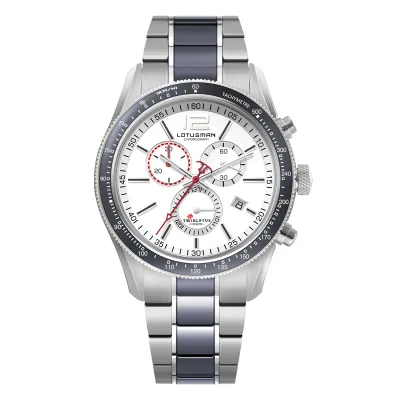


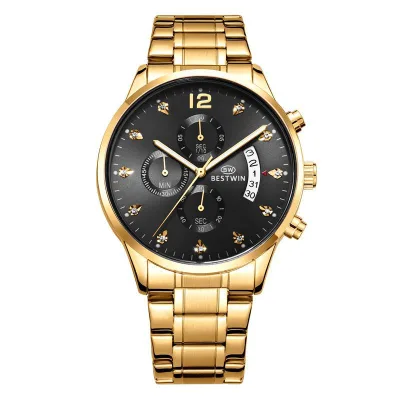


Comprehensive Sourcing Guide
Strategic Sourcing Guide for Chronograph Quartz Wristwatches
Understanding the Core Product Category and Technical Variability
The global market for chronograph quartz wristwatches presents a diverse landscape where functional precision meets varied aesthetic demands. When sourcing this specific category, buyers must recognize that the term "chronograph" denotes a specific mechanical or electronic function—a stopwatch integrated into the timepiece—while "quartz" indicates the movement technology that drives the watch with high accuracy and low maintenance. In the current supply environment, these watches are not monolithic products but exist in a spectrum of configurations ranging from basic analog displays to complex analog-digital hybrids.
Technical specifications for these devices vary significantly based on the intended application. For instance, some models feature a purely analog display method, utilizing traditional hands to indicate time, while others incorporate an analog-digital display to offer dual-time zone capabilities or additional data readouts. The movement technology is consistently quartz across the observed inventory, ensuring reliable timekeeping. However, the integration of the chronograph function can differ; some units are designed with a simple chronograph feature, while others may include advanced functionalities such as day/date displays, alarms, or multiple time zones.
The physical construction of the watch is equally variable. Case shapes are predominantly round, adhering to classic design principles, though the material composition of the case and band can range from leather to stainless steel or silicone. Waterproof ratings are a critical technical differentiator, with observed specifications ranging from standard 50-meter resistance suitable for daily wear to 200-meter ratings designed for more rigorous aquatic activities. Buyers must verify the specific waterproof rating required for their end-use scenario, as a 50-meter rating is insufficient for swimming, whereas a 200-meter rating provides robust protection for professional diving. Furthermore, the design of the watch face, including dial color and the presence of luminous features, plays a crucial role in the product's utility and market appeal.
Compliance Framework and Certification Verification
Navigating the regulatory landscape is essential for importing chronograph quartz wristwatches into international markets. The supply chain for these products often involves multiple jurisdictions, each with its own set of compliance requirements. Based on available market data, a significant portion of the inventory carries certifications such as CCC (China Compulsory Certification), ISO (International Organization for Standardization), CE (Conformité Européenne), and RoHS (Restriction of Hazardous Substances). These certifications indicate that the products have undergone testing for safety, electromagnetic compatibility, and environmental compliance.
However, buyers must exercise caution when interpreting these certifications. While some product listings explicitly state the presence of CE and RoHS compliance, others may only list specific subsets of these standards. It is imperative to verify that the specific batch of watches being procured carries the necessary documentation for the target market. For example, the CE mark is mandatory for products entering the European Economic Area, confirming that the device meets EU safety, health, and environmental protection requirements. Similarly, RoHS compliance ensures that the product does not contain hazardous materials like lead, mercury, or cadmium in quantities exceeding legal limits.
In addition to electronic and material safety, buyers should consider the sterilization status of the product, particularly if the watches are intended for medical or hygiene-sensitive environments. Some listings indicate that the products are manufactured without ethylene oxide sterilization, which is a standard requirement for many medical devices but may be irrelevant or even undesirable for general consumer electronics. Understanding the sterilization process is vital to ensure the product aligns with the intended use case and does not carry residual chemicals that could affect the user or the packaging materials.
Cost Structure and Minimum Order Quantity Dynamics
The financial parameters of sourcing chronograph quartz wristwatches are influenced by a complex interplay of customization, volume, and material costs. The observed price range for these products is extensive, spanning from approximately $3.50 to $999 USD. This wide disparity reflects the vast differences in quality, brand positioning, material composition, and feature sets. Lower-priced units typically utilize standard materials such as alloy cases and basic leather or silicone bands, while higher-priced models may feature premium stainless steel, sapphire glass, and more intricate movement mechanisms.
Minimum Order Quantity (MOQ) is another critical cost driver that buyers must navigate. The market data indicates a highly variable MOQ structure. Some suppliers offer flexible terms with an MOQ as low as 1 unit, allowing for sample testing or small-batch trials. Conversely, other listings specify a standard MOQ of 1,000 units, while some specialized or customized orders may require a volume of up to 10,000 units. This variance suggests that the cost per unit often decreases as the order volume increases, but the upfront capital requirement can be substantial for buyers seeking customization.
Customization is a primary factor influencing both price and MOQ. Products that allow for logo printing, specific design modifications, or unique packaging solutions generally command higher MOQs. For instance, orders requiring "Customized" designs or specific branding often align with the higher MOQ thresholds of 1,000 to 10,000 units. Buyers must balance the desire for unique branding against the financial constraints of the MOQ. If a buyer requires a custom design but cannot meet the high-volume threshold, they may need to explore suppliers with lower MOQs, potentially accepting a higher unit cost or a more generic design.
Application Scenarios and Market Segmentation
Chronograph quartz wristwatches serve a wide array of applications, driven by their versatility in design and functionality. The market segmentation is largely defined by the gender, style, and specific features of the watch. Unisex models are prevalent, offering a broad appeal that fits various consumer demographics. These watches often feature a modern style, making them suitable for both casual and semi-formal occasions. The availability of different gender-specific models, such as those designed specifically for women or men, allows buyers to target niche markets with tailored product offerings.
The functional applications of these watches are equally diverse. Models equipped with a chronograph feature are ideal for sports enthusiasts, pilots, or professionals who require precise time measurement. Watches with day/date and alarm features cater to users who need additional utility beyond simple timekeeping, such as business professionals or students. The inclusion of multiple time zone capabilities makes these watches particularly valuable for travelers and international business personnel.
Material choices also dictate the application scenario. Watches with leather bands are often associated with a dress or formal style, suitable for office environments or social events. In contrast, models with stainless steel or silicone bands are typically classified as sport watches, designed for durability and resistance to water and sweat. The waterproof rating is a key determinant here; a 50-meter rating is sufficient for daily activities like hand washing or light rain, while a 200-meter rating is necessary for swimming and diving. Buyers must align the product specifications with the intended user environment to ensure customer satisfaction and product longevity.
Supplier Evaluation and Production Standards
Selecting the right supplier requires a rigorous evaluation of their production capabilities, standards, and flexibility. The sourcing data indicates that many suppliers offer OEM (Original Equipment Manufacturer) services, allowing buyers to customize products according to their specific requirements. This flexibility extends to the design, with options for fruit designs, customized patterns, or specific branding. However, the ability to customize often comes with constraints, such as higher MOQs or longer lead times.
Suppliers should be evaluated based on their adherence to production standards. While some listings mention specific standards like "Stainless steel or brass or alloy" for materials, buyers must verify that the supplier can consistently meet these specifications across large production runs. The production standard should be clearly defined in the contract to avoid discrepancies in material quality or finish. Additionally, the packaging method is a critical aspect of supplier evaluation. Options range from simple polybag packaging to more protective bubble bags or color boxes, each impacting the final product presentation and shipping costs.
The location of the supplier is another factor to consider. The majority of the observed inventory originates from China, a global hub for watch manufacturing. This concentration offers access to a vast supply chain and competitive pricing but requires careful logistics planning. Buyers should assess the supplier's ability to manage lead times and ensure timely delivery, especially when dealing with high-volume orders. Communication and transparency regarding the production process are essential to mitigate risks associated with delays or quality issues.
Quality Control and Long-Term Procurement Strategy
Implementing a robust quality control (QC) strategy is paramount when sourcing chronograph quartz wristwatches. Given the variability in product attributes, buyers should establish clear QC criteria before production begins. Key areas of focus include the accuracy of the quartz movement, the integrity of the waterproof seals, and the durability of the clasp type, whether it is a buckle or a folding clasp with safety. The presence of luminous features should also be tested to ensure they function correctly under low-light conditions.
For products with detachable cases, the mechanism for attachment and detachment must be tested for reliability and ease of use. Conversely, for undetachable cases, the structural integrity of the case should be verified to ensure it can withstand daily wear and tear. The surface material, often glass, should be inspected for scratches and clarity. Regular third-party inspections or on-site audits can provide an additional layer of assurance, ensuring that the supplier consistently meets the agreed-upon quality standards.
Long-term procurement considerations involve building a sustainable relationship with suppliers. Buyers should look for partners who demonstrate a commitment to continuous improvement and adaptability to market trends. The ability to scale production up or down based on demand is crucial for managing inventory costs and minimizing waste. Furthermore, maintaining open communication channels regarding supply chain disruptions, material availability, and regulatory changes will help buyers navigate the complexities of the global market. By focusing on these strategic elements, buyers can secure a reliable supply of high-quality chronograph quartz wristwatches that meet their business objectives and customer expectations.
Comparative Analysis of Product Specifications
To facilitate informed decision-making, the following table summarizes the key technical and commercial attributes observed in the market for chronograph quartz wristwatches. This comparison highlights the diversity of options available and assists buyers in identifying the specifications that best align with their procurement needs.
| Attribute Category | Specific Feature | Observed Variations | Procurement Consideration |
|---|---|---|---|
| Movement | Type | Quartz | Standard for accuracy; verify battery life. |
| Display | Method | Analog, Analog-Digital, Digital | Choose based on user preference and complexity. |
| Case | Shape | Round | Universal design; verify material (Metal, Alloy). |
| Case | Detachability | Detachable, Undetachable | Affects repairability and customization options. |
| Waterproof | Rating | 50 m, 200 m | Critical for intended use (Daily vs. Diving). |
| Band Material | Type | Leather, Stainless Steel, Silicone | Matches style (Dress vs. Sport) and durability needs. |
| Features | Functions | Chronograph, Day/Date, Alarm, Luminous | Select based on target demographic and utility. |
| Certification | Standards | CCC, ISO, CE, RoHS | Verify specific certs for target market compliance. |
| MOQ | Volume | 1, 1000, 10000 | Directly impacts unit cost and capital requirement. |
| Customization | Availability | Yes (Logo, Design, Standard) | Higher MOQs often required for custom orders. |
This comparative overview underscores the importance of aligning product specifications with strategic procurement goals. By carefully evaluating these attributes, buyers can navigate the complex market of chronograph quartz wristwatches and secure products that deliver value and reliability.
FAQs
What certifications do these chronograph quartz wristwatches have?
The watches carry CCC, ISO, CE, and RoHS certifications. Some listings specify only CE and RoHS, so buyers must verify the specific batch documentation for their target market before ordering.
Can I customize the design and logo on these watches?
Customization is available for design and logo printing. However, orders requiring specific branding or custom designs often align with higher minimum order quantities of 1,000 to 10,000 units.
What is the minimum order quantity for these watches?
The minimum order quantity ranges from 1 to 5,000 units depending on the supplier. Some specialized or customized orders may require a volume of up to 10,000 units to proceed.
Which waterproof ratings are available for these timepieces?
Waterproof ratings vary from 50 meters to 200 meters. A 50-meter rating suits daily wear, while 200 meters is designed for more rigorous aquatic activities like swimming or diving.
What materials are used for the bands and cases?
Bands are made from leather, stainless steel, or silicone. Case materials include stainless steel, brass, or alloy, with surface materials typically being glass for durability and clarity.
Where are these chronograph quartz wristwatches manufactured?
The majority of the observed inventory originates from China. Buyers should assess the supplier's ability to manage lead times and ensure timely delivery from this global manufacturing hub.
How are these watches packaged for shipment?
Packaging options include polybags, bubble bags, or color boxes. The specific method depends on the supplier and order requirements, impacting final product presentation and shipping costs.